A comprehensive portfolio of work in Education Technology 220 for Augsburg
Reflection 1
Reflection 2
Featuring the amazing Chemistry Wiki site that I’ve found
Reflection 3
Social Media as an Educational Tool
A social media story, about social media.
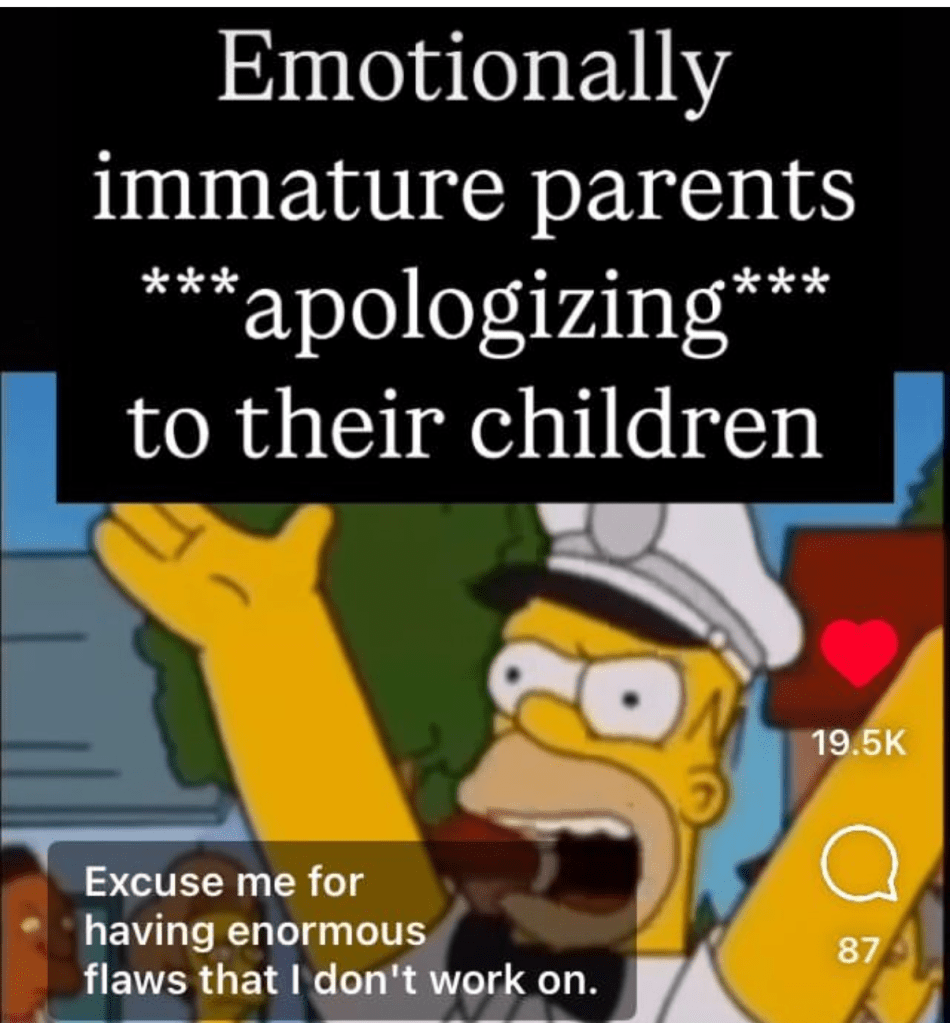
Pic 1: Many children have greater access to social media than social emotionally mature adults, which is both devastating and something to be leveraged
Pic 2: Children truly want to have a good time, get outside, and enjoy being a kid
Pic 3: Youth may not have full access to the natural world around them due to resourcing, lack of sufficient transportation, or equitable educational resources
Pic 4: I myself do not have social media for many reasons, yet it could be a good tool for learning
Pic 5: Additionally, I find myself frustrated with the constant fluid changes in social media as well as the ethics of new social media content and formats
Pic 6: While the best solution to education is a more refined world view, access to quality education for everyone, and a society that values justice, we have to work with what we have: and what we have, is social media

Reflection 4
Listen to my first ever “podcast style” reflection here:
Reflection 5
Reaction streaming is what the cool kids do
Group Discussion: Jozee, Jose, Olivia, Jess
Lack of Design Thinking
How will you continually improve your teaching and innovate your instructional design? PREZI HERE
Reflection 6
Reflection 7
I haven’t elected a written response for any of my reflections. I did this for two reasons:
- I wanted to stretch my capabilities and my understanding of media
- I really love a good challenge
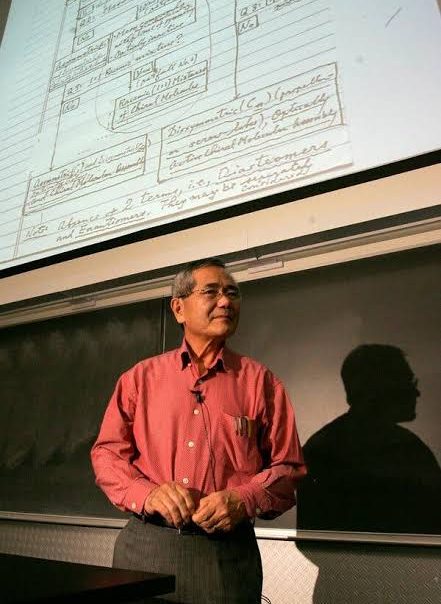
This week, I felt compelled to go back to the brief yet powerful myspace days with a simple blog about the course, the impact of learning framework, effective technology integration, and myself. I think that part of my resistance to LMS’s, technology in the classroom, and a general “ick” for screens stems from how poorly it has been used by instructors and how poorly many smart, capable instructors were. My chemistry professor in college won a Nobel prize, yet could not operate a projector on his own: he used his handwriting on notebook paper to present our notes and berate us in monotone until we withered. My analytical chemistry professor would stand in a firm A-frame stance while using wet-erase markers on old-fashioned plastic transparencies to show us complex problem solving. I did not have thoughtful professors at the dawn of technology, who thought of their pedagogy quilted to the technologies around them. Therefore, I cannot be the type of teacher who simply does a poor job because I don’t understand it. For the sake of my students and our next generation of chemists, I have to push my own boundaries and limits in technology to not repeat the same mistakes of Dr. Negishi, whose instruction method was so engrained that it was the photo the New York Times published when he passed away. In pushing myself in this class through these reflections, the LMS project, and the CYOA project, I know I may not ever win a Nobel Prize but I will certainly have better instruction practices than my professors.
 The Real MS Frizzle